
Exploring the Best Roofing Material Types for Your Home

Choosing the right roofing material is a big decision. Your roof protects your home from weather, adds to its curb appeal, and affects energy efficiency. With so many options available, it can feel overwhelming. I’m here to help you understand the best roofing material types so you can make a smart choice for your property.
Understanding Different Roofing Material Types
There are many roofing materials to consider. Each has its own benefits and drawbacks. Some are budget-friendly, while others offer long-term durability. Here’s a quick overview of popular roofing material types:
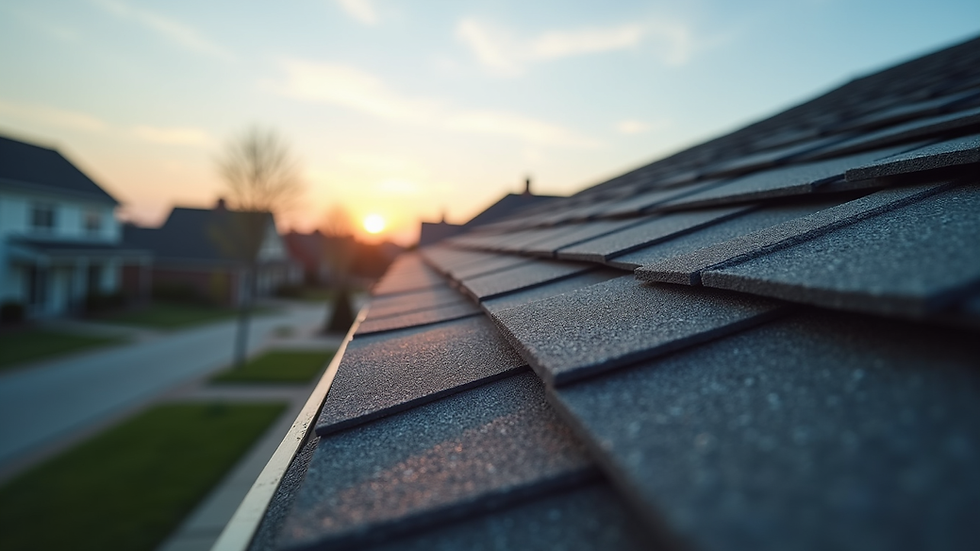
Asphalt Shingles: The most common choice. Affordable, easy to install, and available in many colours.
Metal Roofing: Durable and energy-efficient. Great for shedding snow and rain.
Wood Shingles and Shakes: Natural look with good insulation. Requires maintenance.
Clay and Concrete Tiles: Long-lasting and fire-resistant. Heavy and may need extra roof support.
Slate Roofing: Elegant and extremely durable. One of the most expensive options.
Synthetic Roofing: Made to mimic natural materials but lighter and often cheaper.
Each material suits different climates and budgets. Knowing your priorities will help narrow down the options.

What are the top 5 roofing materials in Canada?
In Canada, weather plays a big role in roofing choices. Harsh winters and heavy snow require materials that can handle cold and moisture. Here are the top 5 roofing materials commonly used in Canadian homes:
Asphalt Shingles
Asphalt shingles are popular because they balance cost and performance. They handle cold weather well and come in many styles. They usually last 20-30 years.
Metal Roofing
Metal roofs are excellent for snow shedding and resisting ice dams. They can last 40-70 years and reflect heat, helping with energy savings.
Wood Shingles and Shakes
Wood offers a classic look and natural insulation. However, it needs regular upkeep to prevent rot and damage from moisture.
Clay and Concrete Tiles
These tiles are durable and fire-resistant but are heavier than other options. They work well in milder climates but may need extra roof framing in snowy areas.
Synthetic Roofing Materials
Synthetic options like rubber or plastic composites mimic slate or wood but are lighter and often more affordable. They resist cracking and fading.
Choosing the right material depends on your home’s style, budget, and the local climate. For example, metal roofing is a smart choice in snowy regions, while asphalt shingles fit most budgets and styles.
Benefits and Drawbacks of Popular Roofing Materials
Let’s dive deeper into the pros and cons of each material to help you decide.
Asphalt Shingles
Pros:
Affordable
Easy to install and repair
Wide variety of colours and styles
Good for most climates
Cons:
Shorter lifespan compared to other materials
Can be damaged by strong winds or hail
Metal Roofing
Pros:
Long lifespan (40-70 years)
Energy-efficient and reflective
Lightweight and durable
Excellent for snow and rain
Cons:
Higher upfront cost
Can be noisy during rain or hail without proper insulation
Wood Shingles and Shakes
Pros:
Natural, attractive appearance
Good insulation properties
Environmentally friendly
Cons:
Requires regular maintenance
Vulnerable to fire and rot without treatment
Clay and Concrete Tiles
Pros:
Very durable and fire-resistant
Long lifespan (50+ years)
Adds a unique architectural style
Cons:
Heavy, may need reinforced roof structure
Expensive installation and materials
Slate Roofing
Pros:
Extremely durable (75-100 years)
Natural stone look
Fire-resistant and low maintenance
Cons:
Very expensive
Heavy and requires professional installation
Synthetic Roofing
Pros:
Lightweight and affordable
Mimics natural materials well
Resistant to cracking and fading
Cons:
Newer materials, so long-term durability is still being tested

How to Choose the Best Roofing Material for Your Home
When picking a roofing material, consider these factors:
Climate
Choose materials that handle your local weather. Metal roofs are great for snow, while clay tiles suit warmer climates.
Budget
Factor in both upfront costs and long-term maintenance. Asphalt shingles are budget-friendly, but metal roofs last longer.
Aesthetics
Your roof should complement your home’s style. Wood shingles offer a rustic look, while slate adds elegance.
Durability
Think about how long you want your roof to last. Slate and metal roofs offer the longest lifespans.
Installation and Maintenance
Some materials require professional installation and regular upkeep. Asphalt shingles are easy to install and maintain.
Energy Efficiency
Reflective materials like metal can reduce cooling costs in summer.
Weight
Ensure your roof structure can support heavier materials like tile or slate.
By weighing these factors, you can find the roofing material that fits your needs perfectly.
Tips for Maintaining Your Roof
Once you’ve chosen your roofing material, proper maintenance will keep it in top shape. Here are some simple tips:
Regular Inspections: Check your roof twice a year and after storms. Look for damaged or missing shingles or tiles.
Clean Gutters: Keep gutters clear to prevent water damage.
Trim Trees: Avoid branches rubbing on your roof.
Remove Debris: Clear leaves and moss to prevent moisture buildup.
Fix Issues Quickly: Address leaks or damage promptly to avoid costly repairs.
Good maintenance extends your roof’s life and protects your home.
Ready to Upgrade Your Roof?
Choosing the right roofing material is key to protecting your home and enhancing its look. Whether you prefer the classic appeal of asphalt shingles or the durability of metal roofing, understanding your options helps you make the best choice.
If you want expert advice or professional installation, reach out to local roofing specialists. They can guide you through the process and ensure your roof stands strong for years to come!
Explore more about types of roofing materials to find the perfect fit for your home today!


Comments